
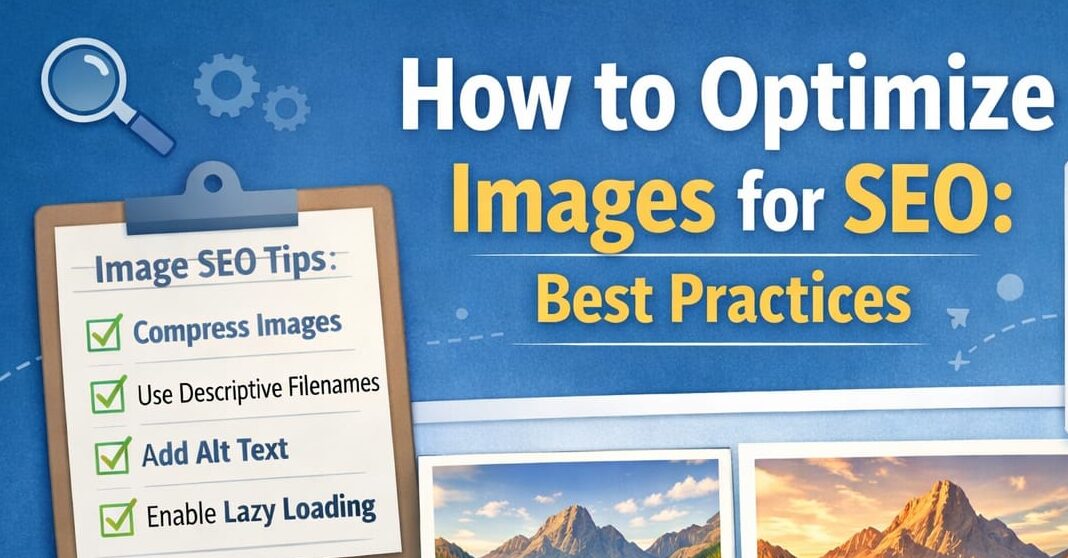
In today’s digital landscape, knowing how to optimize images for SEO is no longer optional—it is essential. Images enhance user experience, improve engagement, and contribute significantly to search rankings Internship in digital marketing institute teaches you SEO Image Optimization. However, without proper image optimization for SEO, even the most visually appealing website can suffer from slow loading speeds and poor visibility in search engines. This comprehensive guide explains how to optimize images for SEO using proven best practices in digital marketing courses that improve performance, accessibility, and rankings.
Why Image Optimization Matters for SEO
Understanding how to optimize images for SEO starts with recognizing why it matters. Search engines like Google consider page speed, user experience, and relevance when ranking websites. Large, uncompressed images can slow down your website, negatively affecting both user engagement and your SEO performance.
Proper image optimization for SEO ensures that your visuals load quickly, are accessible to users, and are easily understood by search engines. When implemented correctly, optimizing images for SEO can drive traffic through image search results, improve Core Web Vitals, and enhance overall site performance.
Choose the Right Image File Format
One of the first steps in learning how to optimize images for SEO is selecting the appropriate file format. The format you choose directly affects file size, image quality, and loading speed.
JPEG, PNG, WEB P, and SVG: Which One to Use?
When applying best practices for image optimization for SEO, consider the following formats:
-
JPEG (JPG): Ideal for photographs and complex images where slight quality loss is acceptable.
-
PNG: Best for images requiring transparency or high detail.
-
WEB P: A modern format supported by most browsers that provides superior compression without sacrificing quality.
-
SVG: Perfect for logos and vector graphics that need scalability without losing clarity.
Using next-generation formats like WEB P is a powerful technique when mastering how to optimize images for SEO, as it significantly reduces file sizes while maintaining visual appeal.
Compress Images Without Losing Quality
Another essential practice in how to optimize images for SEO is compressing images. Large images increase page load time, which can negatively impact search rankings.
Lossy vs. Lossless Compression
There are two main types of compression to consider when focusing on image optimization for SEO:
-
Lossy compression: Reduces file size by removing some data, slightly affecting quality.
-
Lossless compression: Reduces file size without sacrificing image quality.
Tools such as Adobe Photoshop and Tiny PNG can help automate compression while preserving quality. Compressing images before uploading them is one of the simplest yet most effective strategies for optimizing images for SEO.
Use Descriptive, Keyword-Rich File Names
If you want to fully understand how to optimize images for SEO, pay close attention to image file names. Search engines read file names to understand what an image represents.
Instead of using generic names like IMG_1234.jpg, use descriptive, keyword-rich names such as how-to-optimize-images-for-seo.jpg. This reinforces your content’s relevance and strengthens your image optimization for SEO strategy.
Remember to:
-
Use hyphens instead of underscores.
-
Keep file names concise and descriptive.
-
Naturally include your target key phrase.
Proper file naming is a small adjustment that plays a big role in optimizing images for SEO.
Optimize Alt Text for Accessibility and Rankings
Alt text (alternative text) is a critical component of how to optimize images for SEO. It helps search engines understand your images and improves accessibility for visually impaired users who rely on screen readers.
When writing alt text for image optimization for SEO:
-
Clearly describe what the image shows.
-
Include your key phrase naturally.
-
Avoid keyword stuffing.
-
Keep it concise but informative.
For example, instead of writing “image,” write: “step-by-step guide showing how to optimize images for SEO.” Well-written alt text enhances both user experience and search engine visibility.
Resize Images to Proper Dimensions
Uploading oversized images is a common mistake when learning how to optimize images for SEO. Even if an image appears small on your webpage, a large original file can slow down performance.
Before uploading images:
-
Resize them to match your website’s display dimensions.
-
Avoid scaling large images down using HTML or CSS.
-
Maintain consistent aspect ratios.
Resizing images properly ensures faster loading times, which is a key factor in successful image optimization for SEO.
Implement Lazy Loading
Lazy loading is an advanced technique in how to optimize images for SEO. It ensures images load only when they become visible on the user’s screen, rather than loading all at once.
Search engines like Google recommend lazy loading to improve page speed and user experience. By reducing initial load time, lazy loading strengthens your image optimization for SEO strategy and enhances Core Web Vitals performance.
Most modern content management systems and plugins now offer built-in lazy loading features, making it easier than ever to implement.
Create an Image Sitemap
An often-overlooked tactic in how to optimize images for SEO is creating an image sitemap. This helps search engines discover images that may not be easily found through standard crawling.
Submitting your image sitemap through Google Search Console ensures your visuals are indexed properly. Image sitemaps are particularly beneficial for eCommerce websites, photography portfolios, and visually rich blogs aiming to improve image search visibility.
Use Structured Data for Images
Structured data enhances how to optimize images for SEO by providing search engines with additional context. Adding schema markup helps your images appear in rich results, increasing click-through rates.
When implementing structured data for image optimization for SEO:
-
Ensure the image URL is crawlable.
-
Use relevant schema types (such as Article or Product).
-
Maintain consistency between image metadata and page content.
This advanced strategy improves your chances of ranking in enhanced search features.
Monitor Image Performance Regularly
The final step in mastering how to optimize images for SEO is ongoing monitoring. SEO is not a one-time task; it requires continuous evaluation and improvement.
Use tools like:
-
Google Analytics to track user engagement.
-
Page Speed Insights to evaluate load times.
-
Google Search Console to monitor indexing and search performance.
Regular audits help you identify issues such as broken images, slow-loading files, or missing alt text, ensuring your image optimization for SEO efforts remain effective.
Conclusion
Learning how to optimize images for SEO is a powerful way to enhance your website’s visibility, speed, and user experience. From choosing the right file formats and compressing images to optimizing alt text and implementing lazy loading, every step contributes to stronger search performance.
By consistently applying these best practices for image optimization for SEO, you not only improve your rankings but also deliver a seamless and engaging experience for your audience. Start optimizing your images today, and watch your SEO performance rise steadily over time.
Frequently Asked Questions (FAQs) – How to Optimize Image for SEO: Best Practices
1. Why is image optimization important for SEO?
Understanding how to optimize image for SEO is important because images directly impact page speed, user experience, and search visibility. Search engines like Google use page speed and engagement signals as ranking factors. Proper image optimization for SEO helps reduce load time, improve Core Web Vitals, and increase the chances of appearing in Google Image Search results.
2. What is the best image format for SEO?
When learning how to optimize image for SEO, choosing the right format is essential.
-
JPEG is best for photographs.
-
PNG works well for graphics requiring transparency.
-
WebP is recommended for modern websites because it offers high quality with smaller file sizes.
Using next-generation formats like WebP improves performance and strengthens your overall image optimization for SEO strategy.
3. How do I write SEO-friendly alt text for images?
Alt text plays a major role in how to optimize image for SEO. To write effective alt text:
-
Clearly describe what the image shows.
-
Include your target keyword naturally.
-
Keep it concise and relevant.
-
Avoid keyword stuffing.
Well-written alt text improves accessibility and helps search engines understand the context of your image, enhancing image optimization for SEO.
4. Does image compression affect SEO rankings?
Yes, image compression is a key factor in how to optimize image for SEO. Large image files slow down websites, negatively affecting rankings. Compressing images reduces file size without significantly lowering quality. Tools like TinyPNG help optimize images efficiently. Faster-loading pages improve user experience and boost image optimization for SEO performance.
5. What is lazy loading, and does it help image SEO?
Lazy loading is a technique used in how to optimize image for SEO where images load only when users scroll to them. This reduces initial page load time and improves overall performance. Since page speed is a ranking factor, lazy loading supports better image optimization for SEO and enhances user experience.


