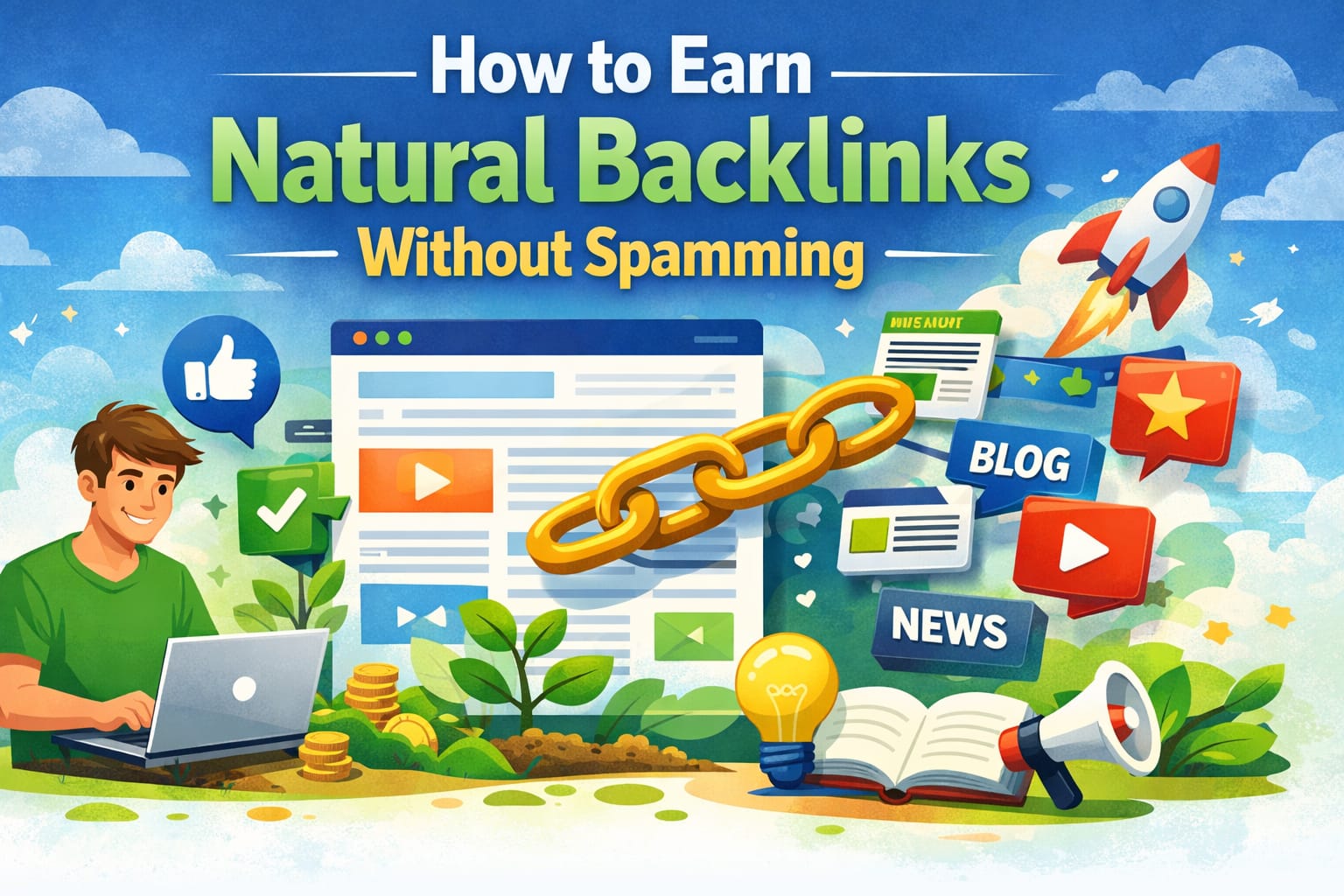
Backlinks remain one of the most powerful ranking factors in SEO—but not all backlinks are created equal. Search engines prioritize natural, high-quality links over spammy, manipulative ones. If you want long-term success, you need a strategy that earns links organically rather than chasing them through shortcuts. Just like understanding Reasons housewives should learn digital marketing can open new income opportunities, learning ethical SEO practices can help you build sustainable online growth.
What Are Natural Backlinks?
Natural backlinks are links that other websites give you voluntarily because they find your content valuable, relevant, or trustworthy. You don’t pay for them, exchange them excessively, or manipulate them.
These links:
- Come from relevant, authoritative websites
- Are placed within meaningful content
- Use natural anchor text
- Drive real traffic
Search engines like Google reward these links because they reflect genuine endorsement.
Why Avoid Spammy Link Building?
Spammy tactics—like buying links, using link farms, or automated submissions—might give short-term gains, but they often lead to penalties.
Risks include:
- Drop in rankings
- Loss of credibility
- Manual penalties from search engines
Instead of risking your site, focus on sustainable methods that build authority over time.
1. Create High-Quality, Link-Worthy Content
Content is the foundation of natural backlinks. If your content doesn’t offer value, no one will link to it.
What Makes Content Link-Worthy?
- Original research or data
- In-depth guides (like this one)
- Practical solutions to real problems
- Unique insights or opinions
Examples:
- “Ultimate Guide” posts
- Case studies
- Industry reports
- Step-by-step tutorials
Tip: Focus on solving a specific problem better than anyone else.
2. Use the Skyscraper Technique
This method involves improving existing popular content and making it more valuable.
Steps:
- Find content with many backlinks
- Create a better version (more updated, detailed, or visually appealing)
- Reach out to sites linking to the original
When done right, people naturally prefer linking to the improved version.
3. Guest Blogging (Done Right)
Guest posting still works—but only when done ethically.
Best Practices:
- Write for relevant, high-quality websites
- Provide genuine value (not promotional fluff)
- Avoid keyword stuffing in anchor text
What to Avoid:
- Low-quality guest post farms
- Paying for links disguised as posts
- Repeating the same content everywhere
Focus on building relationships, not just links.
4. Build Relationships in Your Industry
Networking is one of the most underrated link-building strategies.
Ways to Build Connections:
- Engage with bloggers on social media
- Comment thoughtfully on their posts
- Share their content
Over time, these relationships naturally lead to mentions and backlinks.
5. Leverage Broken Link Building
This strategy helps both you and the website owner.
How It Works:
- Find broken links on relevant websites
- Create content that replaces the missing resource
- Contact the site owner and suggest your link
It’s effective because you’re solving a problem rather than asking for a favor.
6. Create Shareable Visual Content
Visual content attracts more engagement and links.
Types of Visual Content:
- Infographics
- Charts and graphs
- Custom illustrations
- Data visualizations
People often embed these visuals and link back to your site as the source.
7. Write Data-Driven Content
Original data is highly linkable because it provides unique value.
Ideas:
- Conduct surveys
- Analyze industry trends
- Share case study results
Journalists, bloggers, and researchers frequently cite data, earning you backlinks naturally.
8. Get Featured in Roundups and Lists
Many websites publish:
- “Top tools” lists
- “Best blogs” roundups
- Expert opinion articles
How to Get Included:
- Reach out with a concise pitch
- Highlight what makes your content valuable
- Offer something unique
Once included, you gain both visibility and a quality backlink.
9. Use HARO (Help a Reporter Out)
HARO connects journalists with sources.
How It Works:
- Sign up as a source
- Respond to relevant queries
- Provide expert insights
If your response is selected, you’ll often earn a backlink from high-authority sites.
10. Repurpose Content Across Platforms
Turn one piece of content into multiple formats:
- Blog → Video
- Blog → LinkedIn post
- Blog → Slide deck
This increases reach and chances of earning backlinks from different audiences.
11. Optimize for On-Page SEO
Even great content won’t earn links if people can’t find it.
Key Elements:
- Use clear headings
- Include relevant keywords naturally
- Improve readability
- Add internal links
Better visibility leads to more organic backlinks.
12. Be Consistent and Patient
Natural link building is not instant.
What to Expect:
- Slow but steady growth
- Higher-quality links over time
- Long-term SEO benefits
Consistency is more important than quick wins.
Common Mistakes to Avoid
- Over-optimizing anchor text
- Sending mass spam outreach emails
- Focusing only on quantity, not quality
- Ignoring relevance
- Publishing thin or duplicate content
Avoid shortcuts—search engines are smarter than ever.
Final Thoughts
Earning natural backlinks without spamming is about providing value, building trust, and staying consistent. Instead of chasing links, focus on creating content people want to link to.
If you:
- Solve real problems
- Build genuine relationships
- Share unique insights
Backlinks will come naturally—and they’ll be far more powerful than anything you could manipulate.