Digital marketing is evolving faster than ever, and artificial intelligence (AI) is leading the change. Businesses no longer rely only on traditional strategies to reach their audience. Instead, they use smart technologies to analyze behavior, predict trends, and create highly personalized experiences. In fact, many brands are already combining AI with email marketing strategies that actually work in 2026 to deliver more targeted and engaging campaigns. In 2026, the role of AI has become central, not optional.
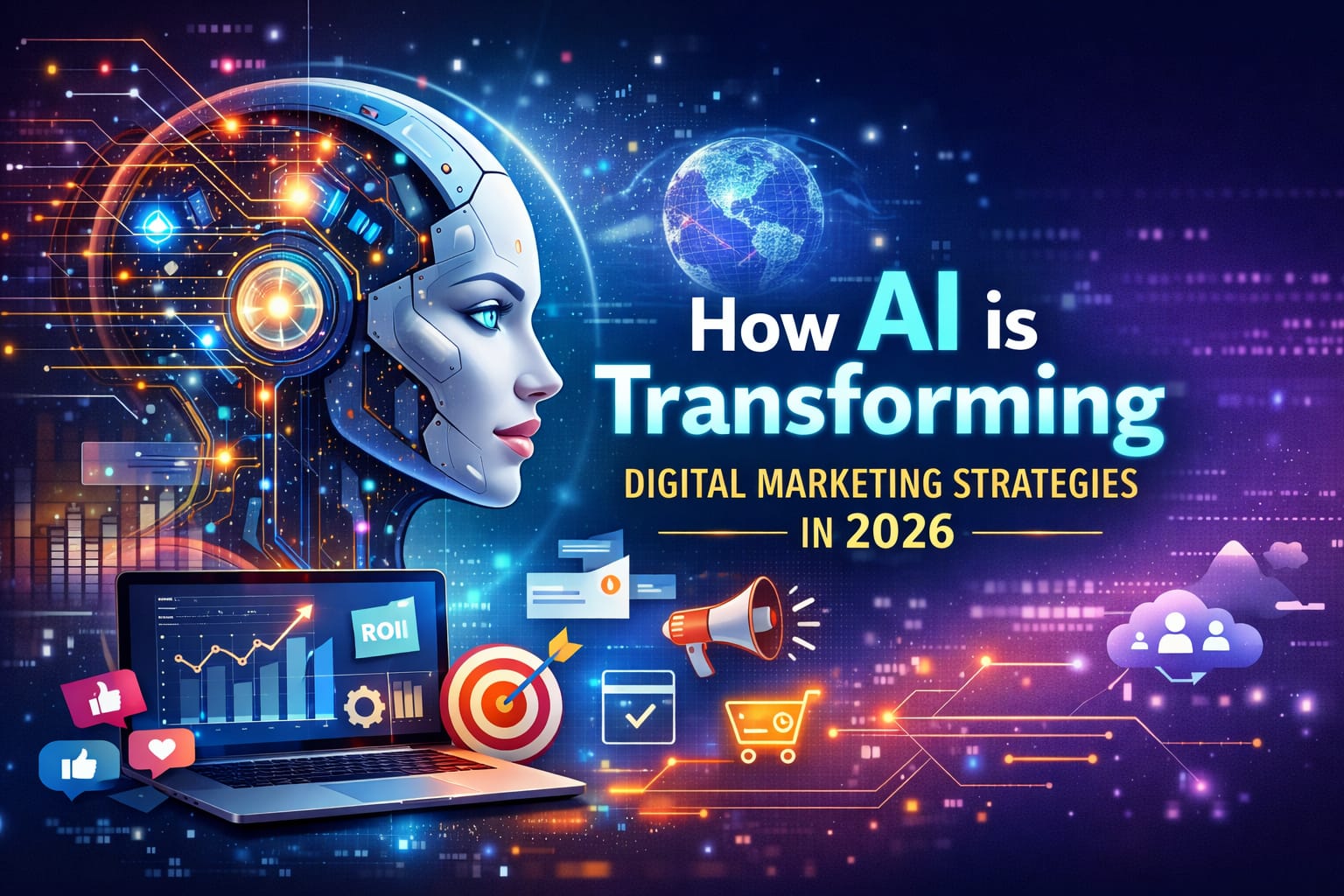
In this article, we will explore how AI transforming digital marketing strategies is reshaping the industry and how businesses can leverage it to stay competitive.
The Rise of AI in Digital Marketing
AI has moved beyond being just a buzzword. It now powers some of the most important tools marketers use daily. From chatbots to data analytics platforms, AI helps businesses make faster and smarter decisions.
Companies today collect massive amounts of customer data. Without AI, analyzing this data would take weeks or even months. AI simplifies this process by identifying patterns and delivering actionable insights instantly.
As a result, marketers can focus more on strategy and creativity while AI handles data-heavy tasks.
Hyper-Personalization at Scale
One of the biggest ways AI is transforming digital marketing strategies is through personalization. Customers expect brands to understand their needs and deliver relevant content.
AI makes this possible by analyzing:
- Browsing history
- Purchase behavior
- Demographics
- Engagement patterns
Using this data, businesses can create highly personalized experiences. For example, e-commerce platforms recommend products based on previous purchases, while streaming services suggest content tailored to individual preferences.
This level of personalization improves customer satisfaction and significantly boosts conversion rates.
Smarter Content Creation
Content remains the backbone of digital marketing. However, creating high-quality content consistently can be challenging. AI tools now assist marketers in generating ideas, writing drafts, and optimizing content for search engines.
AI can:
- Suggest trending topics
- Generate blog outlines
- Optimize headlines
- Improve readability
While AI does not replace human creativity, it enhances it. Marketers can produce content faster without compromising quality. This is another example of how AI transforming digital marketing strategies is increasing efficiency.
Advanced Customer Insights
Understanding your audience is crucial for any marketing campaign. AI takes this to the next level by providing deep insights into customer behavior.
AI-powered analytics tools can:
- Predict future buying behavior
- Identify high-value customers
- Detect patterns in engagement
These insights allow marketers to create targeted campaigns that deliver better results. Instead of guessing what customers want, businesses can rely on data-driven decisions.
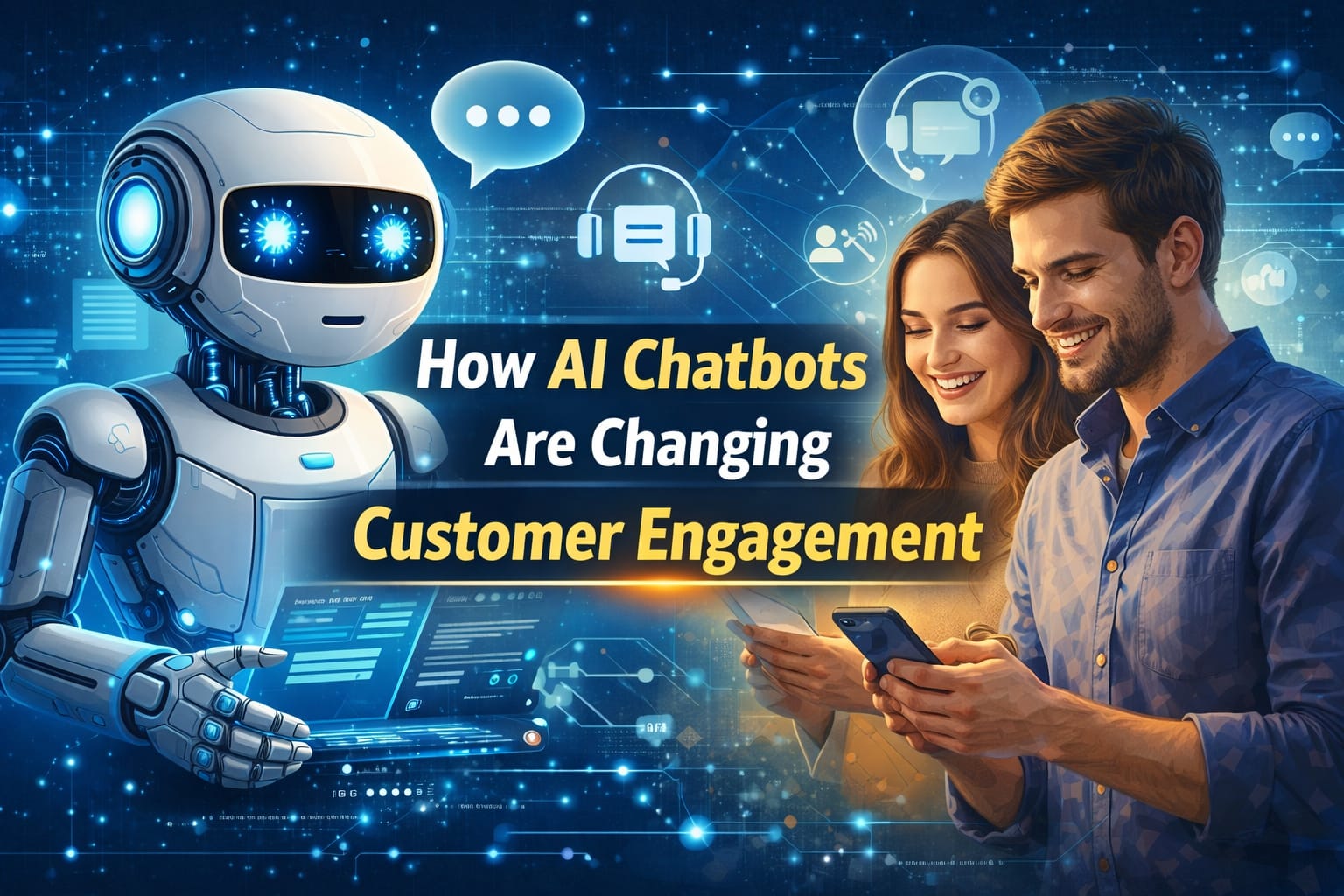
Chatbots and Conversational Marketing
Customer communication has changed dramatically with the rise of AI-powered chatbots. In 2026, chatbots are smarter, faster, and more human-like than ever before.
They can:
- Answer customer queries instantly
- Provide product recommendations
- Assist in the buying process
- Offer 24/7 support
This improves customer experience while reducing the workload on human support teams. Businesses can engage with customers in real-time, which increases trust and satisfaction.
Predictive Analytics for Better Decision-Making
Predictive analytics is another powerful aspect of AI in marketing. It uses historical data to forecast future outcomes.
Marketers can use predictive analytics to:
- Anticipate customer needs
- Optimize ad campaigns
- Reduce marketing costs
- Improve ROI
For example, AI can predict which customers are likely to churn and suggest strategies to retain them. This proactive approach helps businesses stay ahead of the competition.
AI-Powered Advertising
Advertising has become more precise and efficient thanks to AI. Platforms like Google Ads and social media networks use AI to optimize campaigns in real time.
AI helps marketers:
- Target the right audience
- Adjust bids automatically
- Optimize ad placements
- Analyze performance instantly
This ensures that businesses get the best return on their advertising budget. Instead of wasting money on ineffective campaigns, AI focuses on what works.
Voice Search and AI Assistants
With the growing popularity of voice assistants, voice search is becoming an important part of digital marketing. AI plays a key role in understanding natural language and delivering accurate results.
Marketers must now optimize their content for voice search by:
- Using conversational language
- Focusing on long-tail keywords
- Answering common questions
This shift highlights another way AI transforming digital marketing strategies is influencing how businesses approach SEO.
Automation of Marketing Tasks
AI is also helping marketers save time by automating repetitive tasks. These include:
- Email marketing campaigns
- Social media scheduling
- Customer segmentation
- Performance tracking
Automation allows businesses to maintain consistency while freeing up time for strategic planning. This leads to increased productivity and better results.
Challenges of AI in Digital Marketing
While AI offers many benefits, it also comes with challenges. Businesses must address these issues to fully leverage AI.
Some common challenges include:
- Data privacy concerns
- High implementation costs
- Lack of skilled professionals
- Over-reliance on automation
To overcome these challenges, companies should focus on ethical AI use and invest in training their teams.
The Future of AI in Digital Marketing
The future of digital marketing is deeply connected to AI. As technology continues to evolve, AI will become even more advanced and accessible.
We can expect:
- More accurate predictions
- Better personalization
- Improved customer experiences
- Seamless integration across platforms
Businesses that adopt AI early will have a significant advantage in the market.
Conclusion
AI is no longer just a tool—it is a gamechanger. From personalization to predictive analytics, AI is reshaping every aspect of marketing. The impact of AI transforming digital marketing strategies is clear: businesses can now connect with their audience in smarter, faster, and more meaningful ways.
To stay competitive in 2026 and beyond, marketers must embrace AI and adapt to this evolving landscape. Those who do will not only improve their performance but also build stronger relationships with their customers.